



IUI
Intrauterine insemination or IUI, as commonly known, can be considered as the first line of treatment for infertility. IUI can be useful for both male and/or female factor related infertility. Typically, indications for IUI include-
For male-
- Oligoasthenoteratozoospermia i.e. men with low sperm count, or less motile sperm in the ejaculate, or having many abnormal sperm. In our experience we have found that if the total motile sperm concentration after sperm wash is less than 5 millions then the success rate is less.
- Sexual or ejaculatory dysfunction where semen is collected using vibrator or through electro ejaculation.
- Retrograde ejaculation, where semen enters the bladder after orgasm, instead of ejaculating out through penis.
- Immunological factors like autoantibodies and sperm agglutination.
- Men with highly viscous semen for prolong time, which restricts sperm movement deposited in the cervix under natural circumstances.
- Donor sperm insemination
- Anatomical defects of the reproductive tract, where direct coitus is not possible
- Psychological sexual dysfunction - dysparuenia, vaginismus.
- Cervical factors i.e. poor sperm-mucus interaction, failed post-coital test, antisperm antibodies.
- Ovulatory dysfunction
- Unexplained infertility
- Minimal endometriosis
For female-
It has been universally observed that whenever IUI is combined with induction of ovulation or controlled ovarian stimulation, the success rate in the form of pregnancy is improved.
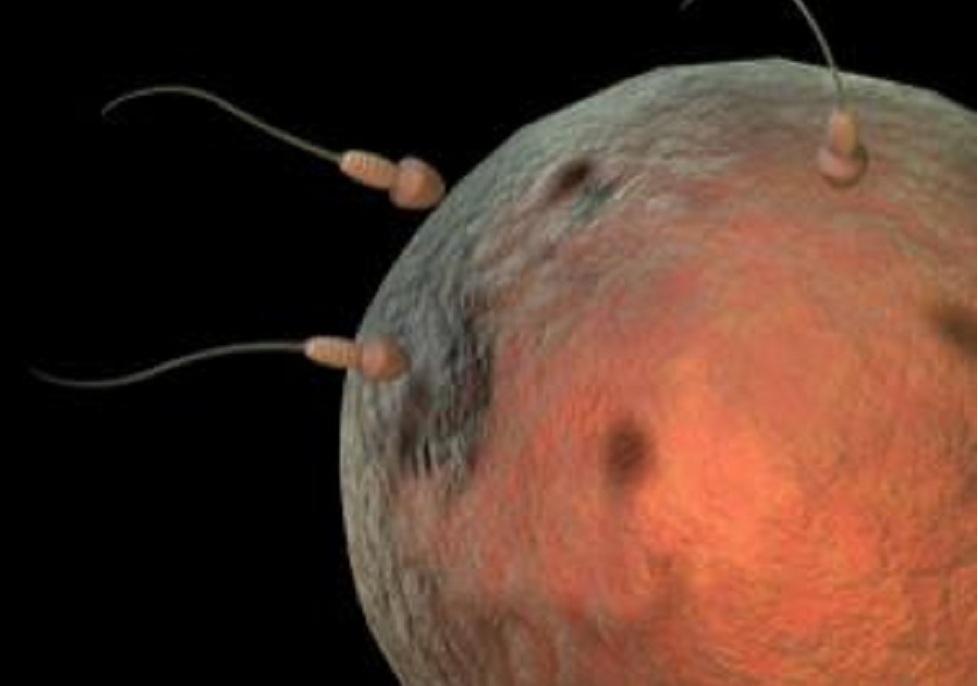
Depositing actively motile sperm free from debris, leucocytes, pus cells, and dead sperm has a significant reproductive advantage in fertilizing the released oocyte from the ovary, in the fallopian tube. During natural intercourse, semen is deposited in the vagina, motile sperm from the semen move towards fallopian tube. Out of around 100 million sperm from a ‘normal’ man deposited in the vagina, only about 1 million sperm find their way to the upper portion of the uterine cavity and only few hundred enter the tube where fertilization occurs. In IUI, 5-10 million motile sperm are deposited at the top of the uterine cavity near the opening of the tubes thus significantly increasing the chances of healthy sperm reaching the mature oocyte.
The risk of infection with IUI is very small.
IVF & ET
In 1978, PC Steptoe and RG Edwards successfully ‘created’ human embryo out side the body after fertilizing female gamete - the oocyte using male gamete- the sperm in a test tube. Though the patient underwent this treatment had blocked fallopian tubes, subsequently clinicians found that many other indications can be effectively treated by this innovative treatment modality.
Over the past 30 years, In Vitro Fertilization has seen many changes that include continuous refinement techniques, development of patient selection criteria, and patient preparation.
The IVF Program
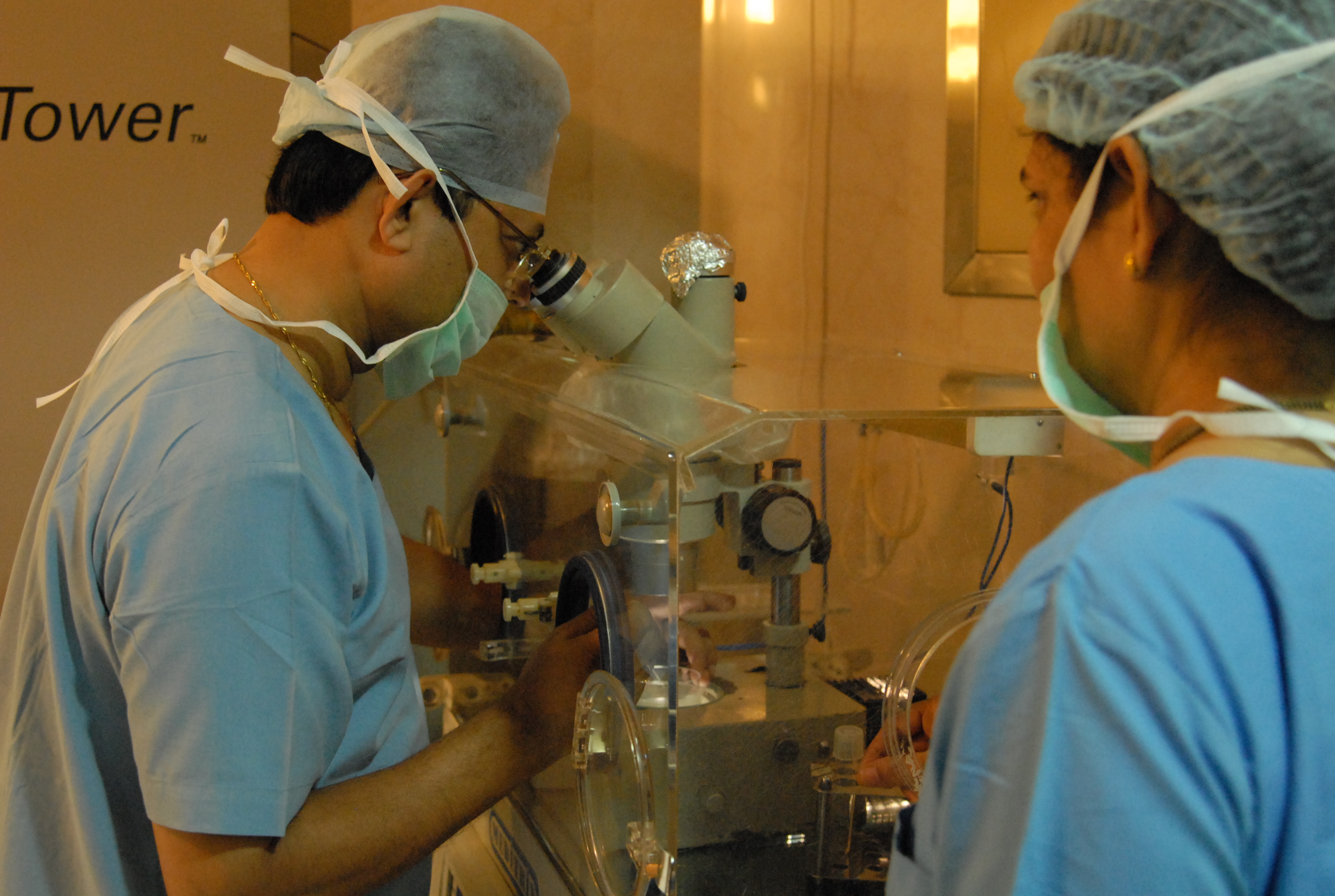
Many couples willing to have their own child are still unable to become pregnant after first line therapy such as ovulation induction, intrauterine insemination, or reproductive surgery. For these couples, the next logical step is to explore the Assisted Reproductive Technologies (ART) like In Vitro Fertilization (IVF) popularly known as Test Tube Baby.
IVF is a technological process where several eggs are retrieved from a woman's ovaries and then fertilized by the husband's sperm outside the body in a controlled environment of the laboratory. The fertilized eggs then develop into embryos and these are returned to the woman's uterus, by a procedure called embryo transfer.
Indications for ART
- Both Fallopian tubes are absent, blocked or hopelessly diseased.
- The husband has a reduced sperm count(Oligozoospermia)
- Sperms antibodies in wife's and /or husband's serum.
- Endometriosis i.e. the presence of endometrium (lining of womb) outside the uterus.
- Unexplained Infertility(refer to couples in whome no obvious pathology is found but who can not conceive.
- IVF also helps women who have absent ovaries or where there are no eggs in the ovaries provided any young member of the family with proven fertility is willing to donate her oocytes.
We – at Fertility Clinic- have a dedicated team with more than 30 years of experience in he field of infertility and ART. We encourage you to learn as much as you can about the IVF program at our centre. This section of the Web site offers an overview of medications, procedures, success rates and financial issues related to IVF. You will also have the opportunity to tour our state-of-the-art medical facilities, post your querries you may have related to infertility.
IVF Medications
It is necessary to take certain medications during the IVF cycle in order to prepare the body for the treatment. The instructions for each medication vary from patient to patient. The medical team at fertility clinic will analyze your case closely to determine which medications to use, what dosage to take, when to administer the medications and how long to take them.
In natural cycle, one produces only a single egg. We want atleast 8-15 eggs after stimulation for better success rate. The injections (gonadotropins) are used for this purpose. After thorough assessment of an individual couple, the stimulation protocol is individualized to achieve the optimum live birth rate.
The Preliminary Investigations are:-
For Wife:-
- Hysteroscopy, endometrial biopsy & measurement of uterocervical length.
- USG of uterus & ovaries on 3rd/4th day of cycle for AFC, ovarian volume size & Ultrasound Examination of uterus and ovaries. To exclude uterine pathology and cyst in ovaries.
- Hormonal Profile (TSH, Prolactin, FSH & LH on 3rd day of the period, AMH etc).
- CBC, ESR, Blood VDRL, Blood Sugar PP, Blood group Rh factor, Australia Antigen/HIV /HCV antibodies Bleeding Time & Clotting Time, X-Ray chest & Chlamydia antibodies
For Husband:-
- Semen analysis.
- Semen culture and antibiotic sensitivity test.
- Sperm Survival test and semen harvesting.
- Blood for Australia Antigen, HIV Antibodies, HCV Antibodies.
N.B.:- (1), (2) & (4) are valid for 3 months only.
IVF Programme Step by Step
Initial Consultation
The couple should bring along their records of infertility workup that they possess, such as hysterosalpingogram films, semen analysis report, basal body temperature chart, previous laproscopy test results. The IVF team physician will counsel the couple about the program and some further investigations may be necessary to establish the chances of success. The woman may have to be scheduled for a screening laproscopy, hysteroscopy, and ultrasonography, if needed to assess the pelvic anatomy and accessibility of the ovaries for egg retrieval.
1) Hormonal Stimulation :
Stimulation is done with Rec. FSH, U- FSH, HMG & with antagonist/ agonist protocol.The protocols are indivualised for each patient according to their requirement.The cycle is monitored by serial foliculometry & serum Oestradiol level in blood.The final triggering for maturation is done by hCG/agonist.
2) Monitoring the maturity of the Eggs :
Blood tests are drawn frequently from the onset of stimulation to determine the progress of stimulated ovaries.
Serial Ultrasound examinations are conducted several times to visualize the developing follicles. The size of the follicles and result of the blood testes will determine the time of egg collection.
3) Egg Collection :
Eggs are retrieved transvaginally by needle aspiration guided by ultrasonic imaging. This requires local / general anaesthesia. The eggs thus obtained are immediately placed in a cultured dish that contains a special nourishing fluid. The patient can leave the IVF centre soon after egg retrieval.
4) Semen Specimen Collection :
Semen sample is collected preferably by masturbation in the morning of collection of the eggs. There is a facility of freeing the semen sample before the day of egg collection if required. The sperm cells are separated from the seminal fluid, mixed with the eggs and then are placed in incubator unit till such time, as the eggs are ready to be fertilized.
5) Fertilization and Cleavage
Fertilization is the process of sperm penetrating the egg. The egg being fertilized is now called an embryo. These are observed further to be certain that they are dividing (cleaving) normally.
6) Embryo Transfer
Embryo transfer is done between day 2 to day 5 depending upon number and quality of embryos available The embryos are placed into uterus using thin tube (catheter) through the mouth of the womb (Cervix). The procedure is done on outpatient basis. The patient leaves IVF centre soon after transfer procedure. When indicated, blastocyst stage transfer is offered. Generally 2 to 3 embryos are transferred and spare embryos, if any, are cryopreserved for future use with patient’s consent.
7) Luteal support:
Embryo transfer under USG guidance.In order to improve implantation of embryo in uterus, pure progesterone is given as luteal support in the form of.vaginal pessaries, or gel or injectables.
8) Blood Tests:
Blood test for beta HCG titre is performed to confirm pregnancy approximately 12 days following embryo transfer.
9) Causes for cancellation in a treatment cycle prior to ovum pick up:
The aim of incentive monitoring program is to obtain a good number of healthy mature eggs at sonography. Thus if the cycle is unsatisfactory, it may be cancelled at any stage. The reasons for this are :
- Too few follicles are developing which would decrease the chance of obtaining at least one mature egg.
- There are no follicles developing at all. This is rare but may occur.
- The blood Oestrogen levels are too low for development of healthy eggs or according to the patterns seen over the last 18 months, unlikely to lead to pregnancy.
- The follicles may have ovulated prior to sonography. Occasionally some women ovulate earlier than the expected or ovulate without our being able to detect the time when the ovulation commenced. Thus it is impossible to accurately predict when ovum pick up should be performed.
- Sometimes ovarian cysts develop in response to the drugs. These are not serious or harmful. They usually resolve within one month or may require to be aspirated before starting the stimulation.
- Sometimes the patient gets hyperstimulated and it is dangerous to continue the stimulation.
Assisted Laboratory Procedures
When beginning an IVF cycle, the ultimate goal of our team is to enable the patient to take home a healthy baby while minimizing the risk of multiples. New advances in laboratory techniques have made it possible to achieve this. Assisted reproductive technologies also include Intracytoplasmic sperm injection, Blastocyst culture, assisted hatching and cryopreservation.
Fertility evaluation and counselling
Before taking patient on programme, the couple is counseled and pre IVF evaluations are carried out to assess the health and basic fertility.
ICSI
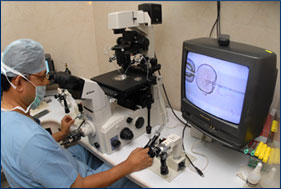
Intracytoplasmic sperm injection-This is a well established technique that enables an embryologist to manipulate both male and female gametes out side the body to maximize the probability of fertilization. This technique was initially developed for sever male factor indication where, it was not possible for the sperms to reach the egg on their own. Later on, this innovative procedure was also found to be effective in other indications like unexplained infertility, patients having Immunological factor, repeated failed IVF etc.
Here, a morphologically normal sperm is selected and is injected into the centre of an egg. Whole procedure is closely monitored under inverted microscope at the magnification of about 400X.
IMSI
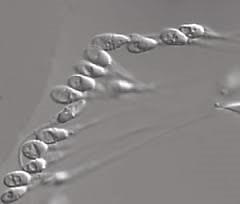
Intra Cytoplasmic Morphologically Selected sperm Injection (IMSI) is latest development in male factor associated treatment. Through IMSI technique it is possible to enlarge sperm head, up to 6000 x magnification under inverted microscope using special objective and image capturing device. This enables embryologist to select better sperm eliminating minor abnormalities like vacuoles. Sperms with such abnormalities may fertilize the oocyte but may result in poor embryo growth pattern and hence increased abortions. There are many publications in scientific journals confirming role of IMSI in considerably reducing missed abortions.
Assisted Embryo Hatching
Assisted hatching – Hatching is a process by which the fully developed embryo comes out of its shell (zona pellucida) and starts communicating with the uterus. Under certain circumstances, like thick shell, (in case of endometriosis or due to defective oogenesis), hardened shell(frozen-thawed embryos) etc. artificially starting the hatching process helps embryo to implant. In this process, part of the shell is chopped off carefully using laser machine.
Selective Multi-fetal reduction
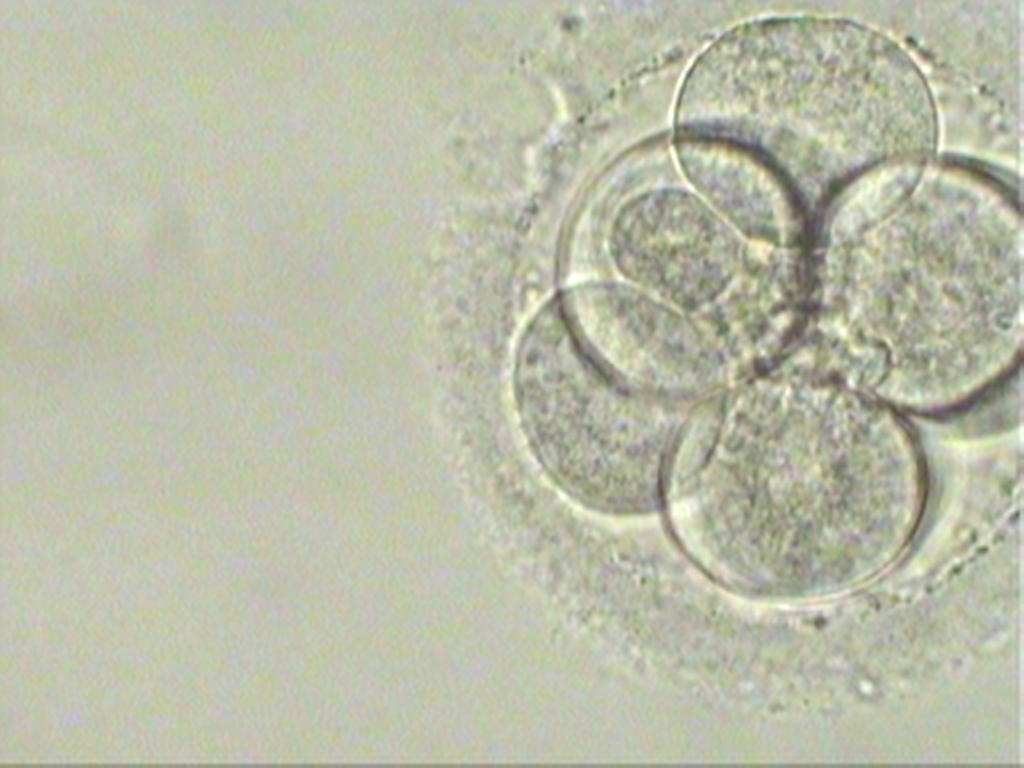
Multiple pregnancy rate is 20 % in ART procedure. The couple is counseled for embryo reduction for the safety of ongoing pregnancy.
Blastocyst
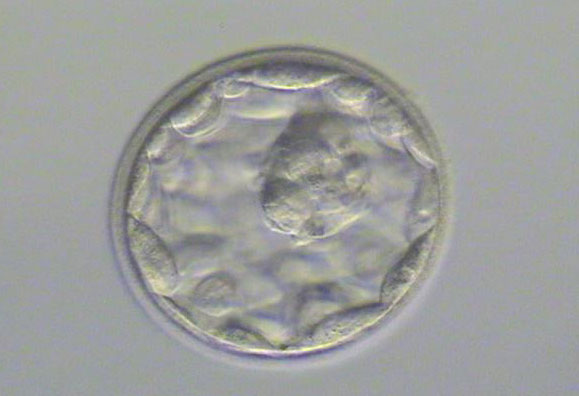
Blastocyst culture- One of the major concerns emerging out of ART procedures is increasing multiple pregnancy rates. Blastocyst culture technique is primarily developed to control twins and triplets outcomes. However, to some extent, it also helps to transfer most suitable and likely implantable embryo into the uterus, thus greatly optimizing probability of pregnancy. The embryo is cultured in the laboratory for extended period of 5 days to obtain a blastocyst. Based on the morphological criteria, one or maximum two blastocysts are transferred.
Preimplantation Genetic Screening (PGS)
This is the latest development in ART procedures that enables us to analyse chromosomal structure of growing embryo to select genetically competent embryo for transfer.
In a highly skilful manner, few cells of the competent embryo(s) are extracted using micromanipulator and laser. These are analysed in a genetic laboratory. Chromosomally healthy embryos are transferred into the uterine cavity in subsequent cycle.
This procedure is highly recommended for elderly patient, those with recurrent IVF failures, and those with family history of known genetically transmittable diseases.
Note:- sex determination and sex selection is NOT done in this clinic.
Cryopreservation
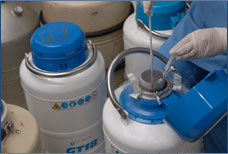
Preservation of sperm and embryos has its own significance in IVF. In some situations semen freezing becomes absolute necessity. e.g. male partner is not available at the time of Ovum Pick up or female partner is coming from out of country, in those males where sperm count is very low or males having ejaculatory dysfunction or those undergoing chemotherapy in near future etc. in such cases their semen can be effectively frozen and used for IVF.
During IVF, excess eggs are obtained as a result of patient’s response to the stimulation protocol. This may result in getting more than 3 embryos. As, it is not advisable to transfer more embryos, which may result in multiple pregnancies, it becomes necessary to cryopreserve these excess embryos. In case if patient doesn’t become pregnant in fresh cycle, she can take her frozen embryos in subsequent cycle.

Vitrification of oocyte and embryo:
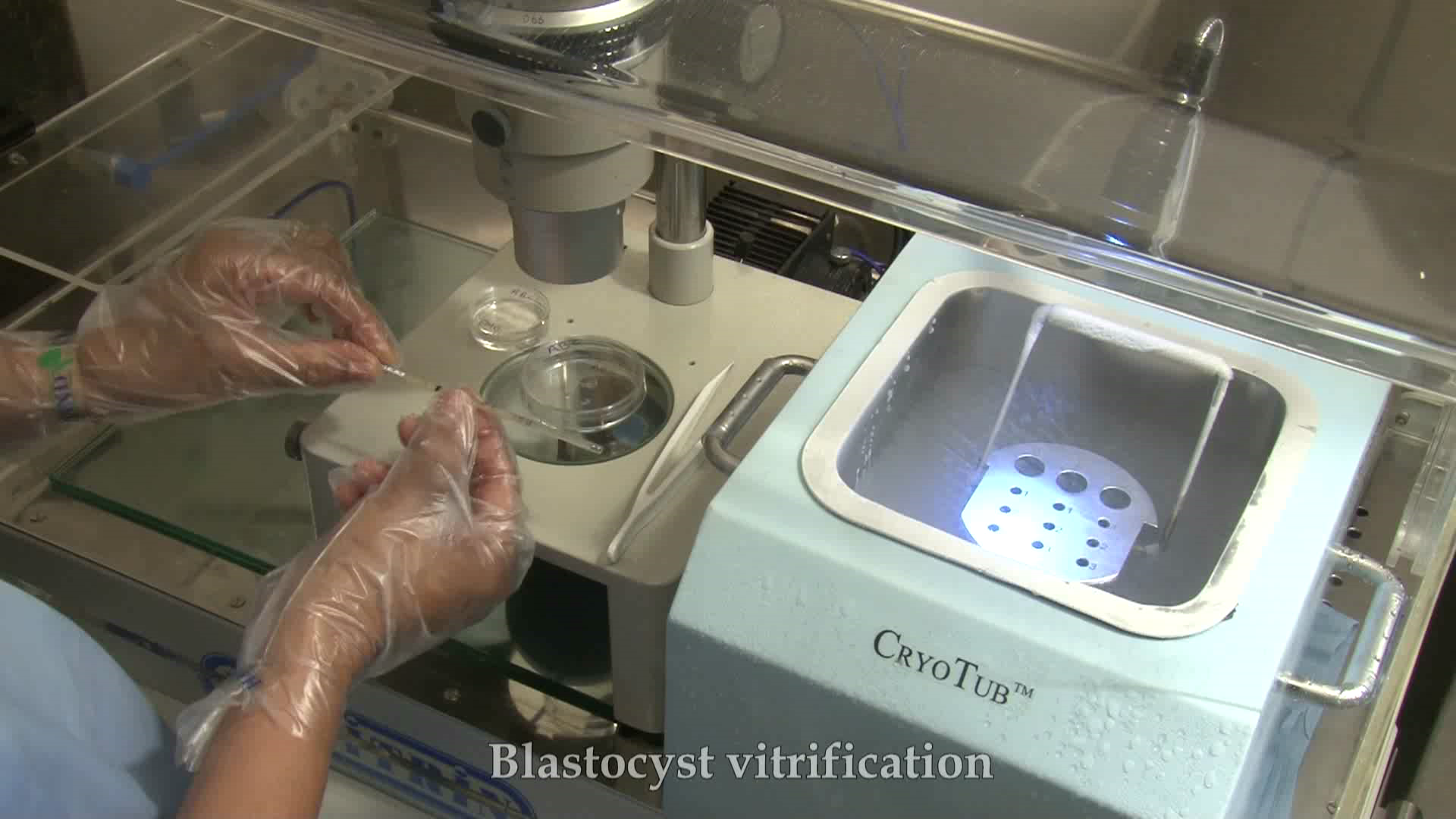
This revolutionary technology of vitrification has enabled embryologists to cryopreserve oocyte, embryos at various developmental stages, and sperms obtained from testicular biopsies or epididymis (in case of azoospermia) with excellent post thaw survival rates and improved pregnancy outcome.
Oocyte Banking
We have the facility of oocyte cryopreservation for women who requires IVF with egg donation and for those who want to cryopreserve their oocytes to raise her family later on.
Egg Sharing and Donation
The Oocyte Donation Programme is an innovative alternative for infertile couples that make it possible for infertile women, who for medical reasons do not have fertilizable eggs to carry and give birth to a child. The embryo is then transferred to the mother's uterus. This allows the woman to carry the child and experience pregnancy, birth and breast feeding i.e the joy of motherhood.
Who will benefit from Oocyte Donation?
- Women with Primary ovarian insufficiency.
- Those with Chromosomal anomalies/genetic abnormalities/balanced translocation.
- Perimenopausal women with repeated IVF failures (own eggs)
- The donor undergoes ovarian stimulation with antagonist protocol & triggering with GnRh agonist.
- woman who is healthy, preferably married and less than 35 years age, with proven fertility can become an oocyte donor.
Who is a suitable donor?
Procedure
The recipient takes medication (Tab oestradiol valerate + pure progesterone) for 1-2 cycles prior to IVF when the formation of the endometrial lining is studied.
- When an adequate lining does form, the recipient are now ready to accept embryos.
- The cycles of the donor and recipient are then synchronized.
- The donor undergoes ovarian stimulation, using the GnRH Analog/FSH/HCG long protocol
- Oocytes are recovered by transvaginal USG guided aspiration 36 hours after Inj. HCG
- The recipient starts Inj. Gestone on the day after the donor receives HCG
The donor is then free to leave after ovum pick up.
Embryo Donation
For needy couples, we do have the facility for embryo donation.
Surrogacy
It is indicated for women with diseased uterus, absent uterus(surgical removal, congenital absence), repeated implantation failure, and medical unfit to undergo stress of pregnancy and labour.
We have the facility for surrogacy and legal advice.
Sperm
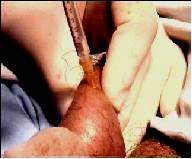
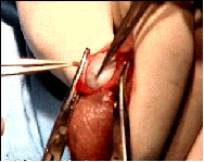
In case of male factor associated infertility, ART procedures include retrieval of sperm through PESA (Percutaneous epididymal sperm aspiration) or TESA(Testicular sperm aspiration). The embryologists at fertility clinic, experts in these techniques, have helped thousands of couples achieve pregnancies.Vijay Mangoli, PhD, our chief embryologist , is involved in this field since the first IVF birth in India. By combining experience and scientific accuracy with flexible, individualized patient care, our team consistently achieves excellent results for our patients.
PESA
TESA